
Definition
Low-calorie foods are those that contain relatively low amounts of carbohydrates, such as starches and sugars.
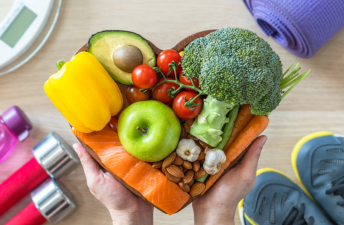
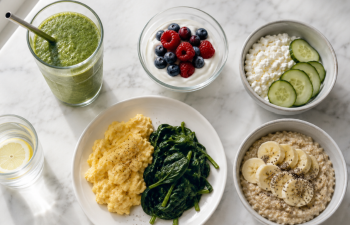
Typical examples include bamboo shoots, frozen tofu, pickled vegetables, mung bean sprouts, and papaya. These foods are characterized by their low fat content and high dietary fiber. By helping to control caloric intake, they can assist in weight loss. For individuals with severe obesity, a very-low-calorie diet (VLCD) can lead to a weight loss of 1 to 2 kilograms per week. Implementing such a regimen in the short term can help improve obesity-related conditions, including diabetes and hypertension. Beyond weight loss, the benefits include enhanced insulin sensitivity and the slowing of functional decline in pancreatic beta cells. Conversely, long-term adherence may result in reduced physical energy, constipation, and an increased risk of developing gallstones. When selecting foods, one should prioritize fresh, natural ingredients that are high in volume and rich in dietary fiber; recommended cooking methods include steaming or preparing dishes as cold salads.
What are some low-calorie foods?
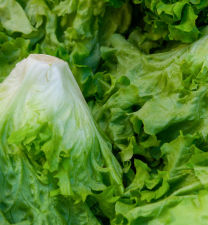
- Celtuce (Stem Lettuce)
Calories: 12 kcal (per 100g of edible portion)
Celtuce contains dietary fiber, potassium, vitamin B2, and other vitamins (such as niacin). It aids digestion and helps regulate the balance of sodium and potassium in the body. These vitamins play a role in skin health, the central nervous system, and appetite regulation. A deficiency in vitamin B2, in particular, can easily lead to fatigue, lethargy, and mouth ulcers.
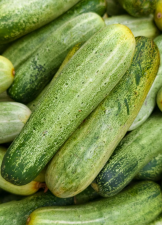
- Cucumber
Calories: 15 kcal (per 100g of edible portion)
Cucumbers are rich in vitamin C, B-complex vitamins, and trace minerals. They offer high nutritional value and have a crisp texture when eaten raw.
From a nutritional perspective, the skin of a cucumber is packed with nutrients, so it is best consumed unpeeled. However, to minimize the risk of pesticide residues, soak the cucumber in salt water for 15 to 20 minutes before washing it thoroughly. When soaking, ensure the cucumber remains whole—do not trim off the ends (the stem and root ends)—as cutting it could cause nutrients to leach out from the exposed surfaces.
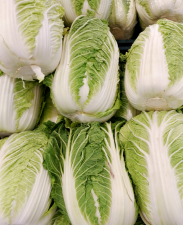
- Napa Cabbage (Chinese Cabbage)
Calories: 17 kcal (per 100g of edible portion)
Napa cabbage is rich in dietary fiber and vitamin D. Consuming fresh Napa cabbage during the summer—when sunlight is intense—can help protect vision and benefit skin health. It is best to avoid cabbage that has been stored for a long time, as its nutrient content will have diminished. Furthermore, individuals with peptic ulcers (such as gastric or duodenal ulcers) should avoid eating raw Napa cabbage, as its dietary fiber may irritate existing lesions in the digestive tract and worsen the condition.
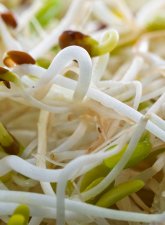
- Soybean Sprouts
Calories: 18 kcal (per 100g)
Soybean sprouts help clear away cholesterol and fat accumulated on the walls of blood vessels, thereby playing a role in the prevention of cardiovascular diseases. Regular consumption not only helps clear internal heat and promote diuresis (the elimination of excess water), but also aids in sobering up and flushing out toxins from the body. For those who frequently consume alcohol or tobacco, or whose diets tend to be oily, regular intake of soybean sprouts can help cleanse the digestive tract, eliminate "internal heat/toxins," and keep teeth clean. Furthermore, it helps prevent the accumulation of fat in subcutaneous tissue.
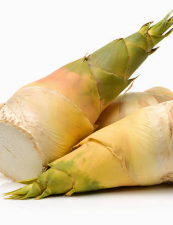
- Bamboo Shoots (Spring Shoots)
Caloric content: 19 kcal (per 100g of edible portion)
Bamboo shoots are characterized by being low in calories and sugar, while high in dietary fiber. Consuming them promotes intestinal motility and aids digestion, which can alleviate indigestion, prevent constipation, and even help in the prevention of colorectal cancer. As they contain very little fat or starch, they are a naturally low-fat food, making them an excellent choice for those looking to lose weight.
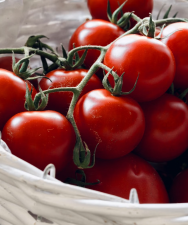
- Tomatoes
Caloric content: 19 kcal (per 100g of edible portion)
Tomatoes are rich in vitamin A, which helps protect vision and repair skin damaged by ultraviolet (UV) exposure.
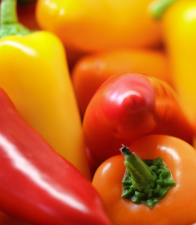
- Green Peppers (Sweet Peppers)
Caloric content: 22 kcal (per 100g of edible portion)
Green peppers are among the vegetables with the highest vitamin C content. Vitamin C helps strengthen the immune system, enhancing the body's resistance to various diseases. In today’s world, where frequent exposure to the outside environment increases the risk of viral infections, maintaining a robust immune system is crucial.
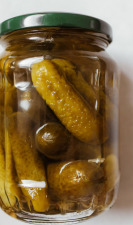
- Pickled/Preserved Foods
Caloric content: 22 kcal (per 100g)
Although plant-based fats may break down during the pickling or preservation process, these foods can hinder blood circulation in individuals prone to edema (water retention); therefore, it is advisable to consume them in moderation.
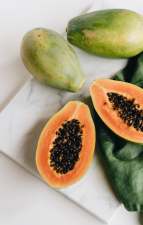
- Papaya
Calories: 27 kcal (per 100g)
Papaya contains an enzyme called "papain," which assists in the breakdown and digestion of proteins, facilitating the body’s digestion and absorption of food. This helps regulate gastrointestinal function and aids digestion. Furthermore, it can help alleviate edema and beriberi, and is beneficial for joint health.
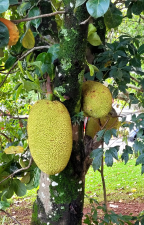
- Jackfruit
Energy: 41 kcal (per 100g of edible portion)
Jackfruit is highly nutritious, containing essential vitamins such as vitamin C, carotene, and niacin. It also provides minerals—including calcium, iron, and magnesium—that are easily absorbed by the human body. The proteolytic enzymes found in its juice, rind, and stems assist in the digestion and absorption of proteins; they are also capable of breaking down proteins in fish and meat, making jackfruit an excellent choice for consumption after a meal.
Considerations for Low-Calorie Foods During Weight Loss
Beyond making smart choices regarding low-calorie foods, there are several other factors to keep in mind. First, ensure nutritional balance. While a low-calorie intake is important, it should not come at the expense of an adequate supply of proteins, fats, vitamins, and minerals. Be careful to avoid malnutrition resulting from overly restrictive dieting. Second, pay attention to cooking methods. Opt for techniques that require little to no oil—such as steaming, boiling, stewing (in a clear broth), or preparing cold dishes—while avoiding deep-frying, heavy braising (using large amounts of oil and soy sauce), or thickening sauces with starch, all of which increase calorie content. Third, pregnant or breastfeeding women, as well as individuals with chronic conditions such as diabetes or hypertension, must consult a physician or a registered dietitian before making changes to their diet. Attempting to lose weight based solely on personal judgment could negatively affect your own health or that of your fetus. Fourth, if you reach a weight-loss plateau (where your weight stops decreasing), experience abnormal appetite, or feel physically unwell, seek professional advice promptly from the nutrition department at a medical facility. Finally, low-calorie foods are only one component of a weight-loss regimen and cannot serve as a substitute for medical treatment. If you have a medical condition, please follow your doctor’s advice regarding both your treatment and any necessary dietary adjustments.
Summary
It is often said that weight loss is "70% diet and 30% exercise." Combining a low-calorie diet with physical activity typically yields the best weight-loss results. Furthermore, when choosing low-calorie foods, it is important to ensure dietary variety and nutritional balance, avoiding the risk of nutrient deficiencies that can arise from consuming only a limited range of specific foods over the long term. A well-planned diet paired with moderate exercise is the key to healthy weight loss.