
Overview of High-Protein Foods
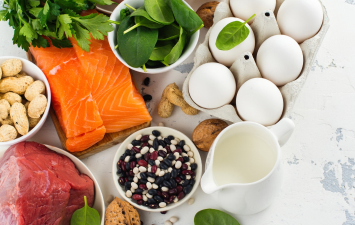
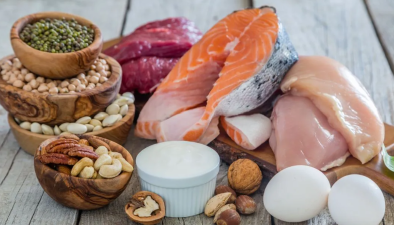
"High-protein" foods are defined as solid foods in which the protein content reaches at least 20% of the Nutrient Reference Value (NRV)—equivalent to more than 12 grams of protein per 100 grams of solid food—or liquid foods in which the protein content reaches at least 10% of the NRV—equivalent to more than 6 grams of protein per 100 milliliters of liquid food. Protein is a fundamental building block of human body tissue; it is composed of amino acids and contains elements such as nitrogen, carbon, and hydrogen. The 22 amino acids required by the human body are categorized into "essential amino acids" (8 are essential for adults; for infants and young children, histidine is also considered essential) and "non-essential amino acids" (13 types).
Protein serves three primary physiological functions: first, it is a vital component of human body tissue, accounting for approximately 16.3% of total body weight; second, it participates in the synthesis of biologically active substances, such as enzymes and hormones, which regulate physiological processes within the body; and third, it provides 10% to 15% of the daily energy required by the human body. High-protein foods include both animal-based sources (such as dairy products, meat, fish, and seafood) and plant-based sources (such as legumes, nuts, and dried fruits). Although the amino acid profile of animal-based protein is generally superior, plant-based proteins can also achieve a balanced and complementary amino acid profile through thoughtful dietary planning.
Definition
Proteins are the fundamental substances that make up all tissues and cells in the human body; the origin, maintenance, and even the end of life are all closely linked to proteins. Proteins are a broad category of high-molecular-weight organic compounds composed of amino acids. Their primary constituent elements include nitrogen, carbon, hydrogen, and oxygen, with smaller amounts of elements such as sulfur, phosphorus, and iron.
Classification of Proteins
The human body’s requirement for protein is, in essence, a requirement for amino acids. Proteins found in nature are typically composed of 22 types of amino acids. From a nutritional perspective, these amino acids are categorized into "essential amino acids" (EAAs) and "non-essential amino acids" (NEAAs). Essential amino acids are those that the human body requires but cannot synthesize on its own—or cannot synthesize in sufficient quantities to meet physiological needs—and must therefore be obtained through the diet. Non-essential amino acids, while also necessary for the human body, can be synthesized internally or converted from other amino acids; thus, they do not necessarily need to be sourced from the diet.
For adults, there are 8 essential amino acids: lysine, threonine, methionine, leucine, isoleucine, phenylalanine, tryptophan, and valine. For infants and young children, histidine is also considered an essential amino acid. There are generally 13 non-essential amino acids: glycine, alanine, serine, cystine, cysteine, aspartic acid, asparagine, glutamic acid, glutamine, tyrosine, arginine, proline, and hydroxyproline.
Proteins that are rich in essential amino acids and of high quality are referred to as "complete proteins." Examples include proteins found in milk, eggs, fish, meat, and soybeans. Conversely, if a protein lacks essential amino acids—or contains them in such small quantities that it cannot support health—it is classified as an "incomplete protein." This category of proteins includes those found in grains (such as wheat and corn) as well as gelatin extracted from animal skin or bones. Certain supplements—such as shark fin and ejiao (gelatin made from donkey hide)—consist primarily of gelatin and are also classified as incomplete proteins.
High-Protein Animal-Based Foods
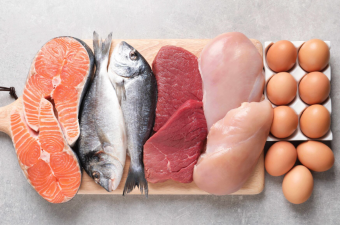
- Chicken Breast
Contains approximately 31 grams of protein per 100 grams. It is low in fat and rich in B vitamins, making it an ideal choice for those looking to build muscle or lose fat.
- Eggs
Whole eggs contain approximately 13 grams of protein per 100 grams. The yolks provide lecithin and vitamin D, and the protein has an absorption rate of over 95%.
- Salmon
Contains approximately 20 grams of protein per 100 grams. It is rich in Omega-3 fatty acids, which support cardiovascular and brain health.
- Greek Yogurt (Fat-Free)
Contains approximately 10 grams of protein per 100 grams, along with calcium and probiotics. Lactose-free versions are also available for those with lactose intolerance.
- Lean Beef
Contains approximately 26 grams of protein per 100 grams and is an excellent source of iron and zinc. Be sure to choose lean cuts to keep saturated fat intake in check.
High-Protein Plant-Based Foods
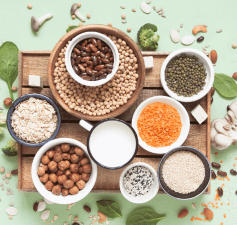
- Soybeans and Black Beans
Dried soybeans contain approximately 36 grams of protein per 100 grams and are rich in soy isoflavones and dietary fiber. They can also be processed into products like tofu and soy milk.
- Quinoa
Has the highest protein content among whole grains (approximately 14 grams per 100 grams) and contains all nine essential amino acids, making it an excellent choice for vegetarians.
- Lentils and Chickpeas
Cooked lentils contain 9 grams of protein per 100 grams. Pairing them with grains can improve the efficiency of protein utilization.
- Almonds
Contain 21 grams of protein per 100 grams, as well as vitamin E and healthy fats. However, because they are high in calories, be mindful of portion sizes.
- Tempeh (Fermented Soy Product)
Contains approximately 19 grams of protein per 100 grams. Through the fermentation process, it becomes easier to digest and provides beneficial probiotics.
Summary
For people today, consuming an adequate amount of protein daily is essential for maintaining good health. While we may often neglect our well-being when busy with work or other commitments, the body cannot function properly without sufficient protein. Since individual protein requirements vary, it is important to adjust your intake based on your specific needs. Many nutrition experts recommend that those with an active lifestyle consume 1.2 to 2 grams of protein per kilogram of body weight (approximately 0.54 to 0.9 grams per pound). When planning your daily meals, consider incorporating some of your favorite high-protein foods. Wishing you all continued good health!