
Photo Provider by Getty Images/iStockphoto
High-Protein Animal-Based Foods:
A top choice for high-quality protein with high absorption and utilization rates
- Meat (Livestock and Poultry): The most accessible source of protein in daily life
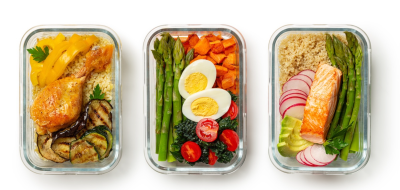
Meats such as pork, beef, and lamb are the most common high-protein foods in our daily diet. They are rich in essential amino acids and are highly efficiently absorbed and utilized by the human body. Lean cuts, in particular, are packed with protein; for instance, every 100 grams of lean beef contains approximately 20–25 grams of protein, while lean pork contains about 15–20 grams. These foods are well-suited for everyday cooking methods like stir-frying or stewing. They not only provide protein but also offer a satisfying sense of fullness, making them a foundational choice for protein intake for the general population.
- Eggs: A highly cost-effective, "nutritionally complete" protein source
Eggs—whether from chickens, ducks, or geese—can be considered "nutritionally complete" foods. They are not only rich in protein but also contain an amino acid profile that closely matches the human body's requirements, making them easy to digest and absorb. Taking chicken eggs as an example, every 100 grams contains about 12–15 grams of protein, with a single medium-sized egg (weighing approximately 50 grams) providing 6–7 grams of protein. Eggs are simple to prepare; Boiling or steaming them preserves the maximum amount of nutrients. They are an excellent, highly affordable source of protein for people of all ages.
- Fish, Shrimp, Crab, and Shellfish: Low-fat, high-protein options for nutrition and health.
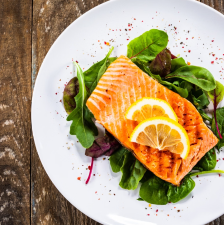
Aquatic products—including fish, shrimp, crab, and various shellfish—are generally low in fat and high in protein. They allow for protein intake without the concern of excessive fat consumption. For example, 100 grams of salmon contains about 20 grams of protein, cod contains about 18 grams, and shrimp provides approximately 20–25 grams. Furthermore, these foods are rich in unsaturated fatty acids, making them ideal for individuals looking to manage their weight or those who prefer a low-fat diet. Consuming them 2–3 times a week not only helps meet protein needs but also adds variety to one’s daily diet.
Plant-Based, High-Protein Foods:
An Ideal Choice for Vegetarians and Those Seeking Weight Loss
- Legumes and Soy Products: Primary Sources of Plant-Based Protein
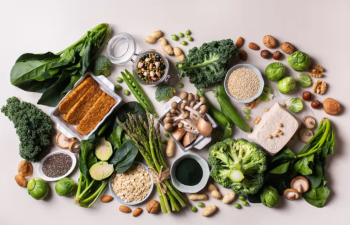
Legumes—such as soybeans, black beans, and mung beans—along with soy-based products like tofu, soy milk, and dried bean curd sheets (yuba), are significant sources of plant-based protein. Among these, soybeans have the highest protein content, with approximately 35 to 40 grams of protein per 100 grams of dry soybeans. Processing makes soy products easier for the human body to digest and absorb; for instance, dried bean curd sheets contain about 40 grams of protein per 100 grams, while tofu contains approximately 8 to 10 grams per 100 grams. For vegetarians or those who prefer not to eat meat, incorporating these foods into their daily diet is an efficient way to boost protein intake.
- Nuts and Seeds: Convenient, High-Protein Snacks
Nuts and seeds—such as walnuts, almonds, peanuts, and pumpkin seeds—are not only rich in protein but also packed with dietary fiber, vitamins, and minerals, making them excellent daily snacks. Almonds contain about 20 grams of protein per 100 grams, peanuts contain approximately 25 grams, and pumpkin seeds offer about 30 grams. These foods are easy to carry and store, making them a convenient protein source whether you are at the office or on the go. However, it is important to monitor portion sizes to avoid excessive calorie intake.
Tips for Increasing Protein Intake
You don’t necessarily need expensive nutritional supplements to boost your protein intake. Many common, everyday foods are rich in high-quality protein. Consider incorporating more of these sources into your daily diet.
- Combine animal and plant proteins:
Pairing animal-based proteins (such as chicken breast or eggs) with plant-based proteins (such as soybeans or mushrooms) can improve the efficiency with which your body utilizes amino acids.
- Spread out your intake:
Distribute your protein consumption evenly across your three daily meals to help your body absorb it more effectively.
- Diversify your choices:
Rotate the types of food you eat throughout the week. Avoid relying on just a few specific items to ensure a balanced intake of nutrients.
For example, you might have eggs and oatmeal for breakfast, chicken breast with soybean-infused rice for lunch, and a mushroom soup with dried bamboo shoots for dinner—by combining foods in this way, you can easily meet your daily protein requirements.
Summary
There is no such thing as a "perfect food." To achieve true health and nutritional balance, you must obtain nutrients through a well-planned combination of various foods. This article has not only provided a deeper understanding of high-protein foods but also offered guidance on how to combine them effectively to give your body more comprehensive support. Of course, diet alone is not enough. You should also pay attention to your daily habits—avoid staying up late, and be mindful of your intake of spicy foods and sugar. Only by doing so can you attain a healthier, more ideal physique!