


Supporting Healthy Weight Management
High-Quality, High-Protein Foods
High-protein foods are primarily categorized into animal-based and plant-based sources. Common, high-quality protein sources include lean meats, fish, eggs, dairy products, legumes, and certain grains. The following is a summary of key high-protein foods, organized by category, along with their specific characteristics.
Animal-Based High-Protein Foods
- Meat
Chicken Breast: Contains approximately 24 grams of protein per 100 grams. It is low in fat, making it an excellent choice for those engaged in fitness training.
Beef (Lean Cuts): Contains approximately 22 grams of protein per 100 grams and is rich in iron and zinc. It is recommended to choose leaner cuts, such as tenderloin.
Pork Tenderloin: Contains approximately 20 grams of protein per 100 grams; it has a lower fat content compared to other cuts of pork.
- Fish and Seafood
Salmon: Contains approximately 20 grams of protein per 100 grams. It is rich in Omega-3 fatty acids and possesses high nutritional value.
Tuna: Contains approximately 26 grams of protein per 100 grams. It is low in fat and easy to prepare.
Shrimp: Contains approximately 19 grams of protein per 100 grams. It is low in calories, making it ideal for periods focused on fat loss.
- Eggs and Dairy Products
Eggs: A whole egg contains approximately 6 grams of protein. The egg white consists almost entirely of protein (about 3 grams per white).
Greek Yogurt: Contains approximately 10 grams of protein per 100 grams and is also rich in calcium. Opting for an unsweetened version is recommended.
Low-Fat Milk: Contains approximately 3.4 grddams of protein per 100 milliliters. Consuming it alongside other foods can enhance the body's absorption of nutrients.
Plant-Based High-Protein Foods
- Legumes and Soy Products
Soybeans: Dried soybeans contain approximately 36 grams of protein per 100 grams. Soybeans are frequently processed into products such as tofu (containing about 8 grams of protein per 100 grams) and soy milk. Black beans and chickpeas: Contain approximately 21 grams of protein per 100 grams and are rich in dietary fiber.
- Grains and seeds
Quinoa: Contains approximately 14 grams of protein per 100 grams and includes all nine essential amino acids.
Chia seeds: Contain approximately 17 grams of protein per 100 grams; They are great when added to drinks or oatmeal.
- Nuts
Peanuts: Contain approximately 25 grams of protein per 100 grams, though they are high in fat, so portion control is advised.
Almonds: Contain approximately 21 grams of protein per 100 grams and are also rich in vitamin E and healthy fats.
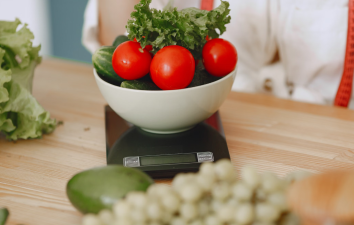
Why should you prioritize protein intake while trying to lose weight?
- It helps you feel full for longer
Increasing protein intake promotes a greater sense of satiety, which helps reduce feelings of hunger. Because protein molecules are large, they take longer for the body to fully digest and absorb. Furthermore, the very process of digesting and absorbing protein consumes energy (calories).
- It helps boost your basal metabolic rate
Protein is a key component in building muscle. Increasing muscle mass raises your basal metabolic rate, which in turn leads to higher energy expenditure.
- It helps curb the consumption of high-sugar foods
Insufficient protein intake can lead to larger fluctuations in blood sugar, which negatively affects appetite. This often triggers intense cravings for sweets or high-calorie foods, potentially hindering your weight loss progress.
- It helps inhibit fat accumulation
Since the body requires a significant amount of energy to process protein, consuming it can help promote fat burning.
Summary
To meet your body’s nutritional needs, it is not enough to simply know which foods are high in protein; you must also understand the scientific principles of protein intake. This is especially important when training for fat loss: ensuring that every meal includes "high-quality protein" is crucial. Doing so helps preserve muscle mass while providing a lasting sense of fullness, allowing you to lose weight without having to endure hunger. Furthermore, protein powder is primarily intended for those who cannot meet their protein requirements through their daily diet alone; if you can obtain sufficient protein from whole, natural foods, it is best to minimize your reliance on protein supplements. Wishing everyone good health and the achievement of their ideal physique.