
About Dietary Fiber
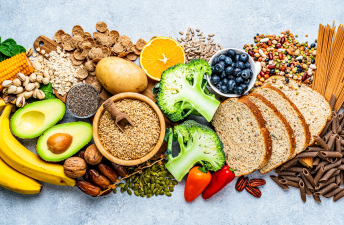
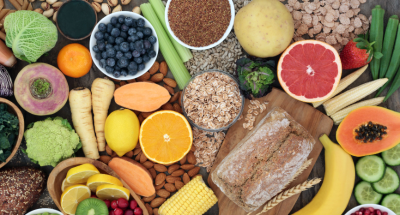
Foods rich in dietary fiber help maintain a healthy digestive system, support heart function, and stabilize blood sugar levels. More than 90% of adults fail to meet the recommended daily intake of dietary fiber—an issue that warrants serious attention. Nutritionists recommend consuming fiber-rich foods such as edamame, oats, pears, almonds, and chickpeas. Dietary fiber consists of carbohydrates that the human body cannot break down; Paradoxically, this is precisely what makes it so beneficial for health. Dietary fiber is primarily categorized into two types: soluble fiber, which slows the absorption of carbohydrates and helps remove excess cholesterol, and insoluble fiber, which adds bulk to food and promotes movement through the digestive tract.
Dietary fiber aids in stabilizing blood sugar, improving cholesterol levels, and maintaining normal digestive function. The best way to increase your fiber intake is not by choosing products labeled as having "added fiber," but rather by consuming natural, whole foods that are inherently rich in dietary fiber.
Foods Rich in Dietary Fiber

- Edamame (Green Soybeans)
Dietary fiber content: 8 grams per cup
Edamame is packed with plant-based compounds. It contains soy-derived phytoestrogens (such as isoflavones) that may help alleviate menopausal symptoms—like hot flashes and cognitive decline—while potentially reducing the risk of cardiovascular disease and osteoporosis.

- Pears
Dietary fiber content: 5.5 grams per medium-sized pear
With nearly 6 grams of dietary fiber per fruit, pears are a convenient way to boost your daily fiber intake. They are rich in immune-boosting vitamin C, potassium (which helps regulate blood pressure), and various antioxidants—offering a delicious way to support overall health.
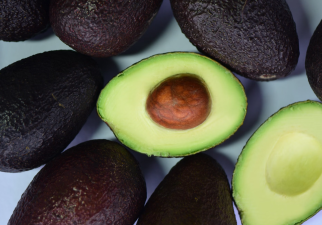
- Avocados
Dietary fiber content: 13.5 grams per avocado
Although classified as a fruit, avocados are exceptionally high in dietary fiber. While they are best known for their heart-healthy monounsaturated fats, their fiber content—which is excellent for gut health—is equally noteworthy. Containing high-quality fats and plant sterols, avocados are an ideal choice for those looking to manage their cholesterol levels.

- Taro
Dietary fiber content: 6.75 grams per cup (cooked)
Taro is an excellent, fiber-rich food. Each cup provides 7 grams of dietary fiber and contains "resistant starch." This component helps improve gut health and promotes a longer-lasting feeling of fullness, which can aid in weight management. Additionally, it slows the absorption of carbohydrates, helping to stabilize blood sugar levels.

- Ground Flaxseed
Dietary fiber content: 2 grams per tablespoon (7 grams)
Flaxseeds are not only rich in dietary fiber but also packed with Omega-3 fatty acids (alpha-linolenic acid) and lignans, which offer antioxidant and anti-inflammatory benefits. Consistent consumption of these nutrients may help lower cholesterol levels and blood pressure.
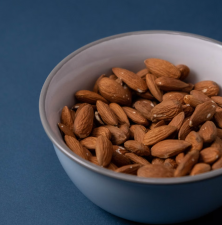
- Almonds
Dietary fiber content: 3.5 grams per 1 ounce (approximately 23 almonds)
Almonds are rich in vitamin E, magnesium, and plant sterols, which help lower cholesterol levels. Research suggests that consuming a handful of almonds daily can reduce LDL cholesterol—often referred to as "bad" cholesterol—by an average of 5%.
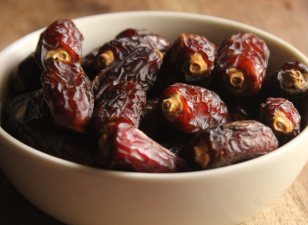
- Medjool Dates
Dietary fiber content: 6.5 grams per 4 dates (pitted)
Eating just four Medjool dates provides 23% of the recommended daily intake of dietary fiber. Dates also serve as an excellent natural sweetener and have a low glycemic index (GI), making them a great choice for blood sugar management.
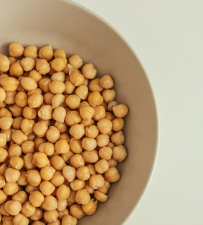
- Chickpeas
Dietary fiber content: 9.5 grams per cup
In addition to being high in dietary fiber, chickpeas provide high-quality plant-based protein, folate, and various vitamins and minerals, including manganese. Manganese is a nutrient that supports metabolism, reproductive function, bone health, and the immune system; a single cup of chickpeas meets 78% of the daily requirement for manganese.

- Oatmeal (Oats)
Dietary fiber content: 8 grams per cup
Oatmeal contains a unique type of dietary fiber called beta-glucan, which helps lower LDL ("bad") cholesterol. One cup of cooked oatmeal contains 3 grams of beta-glucan—the amount required to support heart health.

- Raspberries
Dietary fiber content: 8 grams per cup
A single cup of raspberries provides 8 grams of dietary fiber, satisfying your cravings for something sweet while boosting your fiber intake. Raspberries are rich in vitamin C and other antioxidants, which help improve gut health and promote healthy skin.
Tips for Incorporating Dietary Fiber
- Combine sources: Mix whole grains, legumes, and vegetables to achieve a balance of soluble and insoluble fiber.
- Swap your staples: Replace refined grains (like white rice or white flour products) with oats or brown rice to boost the fiber content of your meals.
- Avoid overdoing it: Increasing fiber intake too suddenly can cause bloating; it is best to increase your intake gradually and drink plenty of water.
The health benefits of dietary fiber are realized through consistent, long-term consumption. A varied diet is the most effective way to support overall health.
Summary
Dietary fiber plays an important role in maintaining gut health, controlling blood sugar levels, and managing body weight. However, effective health management cannot be achieved simply by increasing the intake of specific foods. Because individual dietary habits, age, body weight, physical activity levels, and metabolic status vary, the specific adjustments required differ from person to person. Therefore, regardless of what you consume, the key is to first gain an accurate understanding of your own physical condition and then tailor your diet accordingly.