
Home / Food&Cooking
Main room · 8 on this page

Food&Cooking

5

High-Protein Foods Everyone Is Talking About

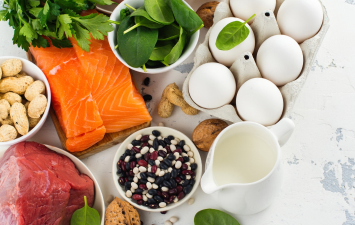
In modern society, as health awareness continues to grow, more and more people are paying closer attention to their daily protein intake—with an increasing emphasis on the consumption of "high-quality protein." Protein is a primary building block of human cells and tissues, playing a vital role in numerous physiological processes, including muscle growth, the regulation of immune function, hormone synthesis, and wound repair. In short, it is an indispensable nutrient for maintaining good health and enhancing bodily function. While many people recognize the importance of consuming sufficient protein, they often find it confusing to determine which foods are rich in protein or how to select the right types of protein to meet their individual needs. Therefore, a good place to start is by learning how to identify foods that are good sources of protein.
Charlotte Wilson · 10 22, 2026
5

What Are the Best High-Protein Foods for Breakfast?
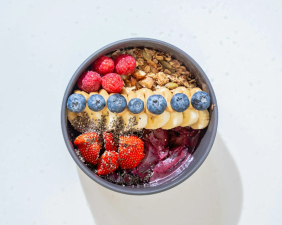
As the old saying goes, "The best part of the day begins in the morning." To kickstart a day full of energy and vitality, enjoying a hearty and nutritious breakfast is essential. Yet, due to the demands of a busy lifestyle or the challenge of getting out of bed early, many people often settle for a simple, nutritionally inadequate meal. This frequently leads to a significant deficiency in protein intake. It is well known that protein is an indispensable nutrient for the human body; because it digests slowly, it not only provides a lasting sense of fullness but also helps stabilize blood sugar levels. So, what exactly should you eat to ensure sufficient protein intake and enjoy a well-balanced, substantial breakfast?

6

Best High-Fiber Foods to Include in Your Meals

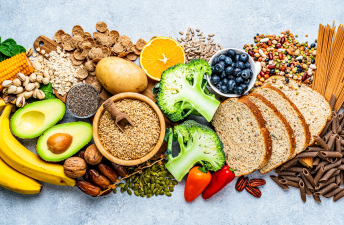
Whether for family gatherings or various types of parties, barbecues are a popular choice for many. While many people consider meat an essential part of a barbecue, this often leads to an insufficient intake of dietary fiber. Dietary fiber is a vital nutrient for the human body; a deficiency can cause various physical discomforts, such as constipation. Experts recommend a daily intake of 30 grams of dietary fiber, yet in reality, most people consume less than half of this amount. Therefore, try to avoid an unbalanced diet and ensure you get enough dietary fiber in your daily life.

5

Best High-Protein Foods for Healthy Weight Management
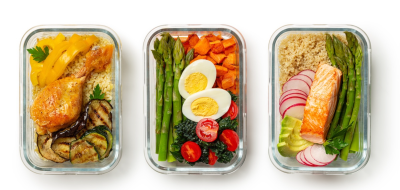
As health awareness grows, more and more people are paying attention to their daily protein intake. Protein is especially important for those focused on losing weight, shedding pounds, or sculpting their physique. Not only does it promote a lasting sense of fullness and help curb hunger, but it also has a higher "thermic effect of food" (TEF) compared to fats and carbohydrates—meaning that consuming protein causes the body to burn more calories. So, which high-protein foods should we choose? What are the best high-protein options for healthy weight management?

5

Best High-Protein Foods to Add to Your Daily Diet

In our daily diet, we don’t always plan meals with nutritional balance in mind. We often choose, prepare, or purchase food based on our immediate preferences, which can lead us to overlook the essential micronutrients and proteins our bodies require. Protein, however, is an indispensable nutrient; it not only supports muscle growth, maintains immune function, and regulates metabolism, but also plays a vital role in everything from our daily activities to the body’s own repair processes. While many people intend to consume enough protein, they are often unsure which foods to choose, leading to haphazard intake—or even missing out on high-quality protein sources altogether. In reality, there is a wide variety of protein-rich foods available. By identifying and categorizing these options, you can easily find those that best suit your individual needs. So, how can we incorporate high-protein foods into our daily diet?

5

What Happens When You Don't Eat Enough Protein?

As economic standards have risen, people’s dietary habits have also evolved; however, consuming expensive food does not necessarily equate to better health. A balanced intake of nutrients is essential for maintaining good health, yet many people today frequently face the issue of insufficient protein consumption. Numerous experts recommend a daily protein intake of 75 grams for adult men and 65 grams for adult women. Protein is the fundamental material basis of life—one could even say that without it, life itself could not exist. In fact, our bodies are already signaling this to us: in many cases, we are not getting enough protein!

5

Common High-Protein Diet Mistakes to Avoid

High-protein diets are becoming increasingly popular within fitness communities and among those looking to lose weight. Many people believe that simply consuming more protein will lead to muscle gain and weight loss. However, blindly pursuing a high-protein diet is not a wise approach. It is akin to filling a car’s fuel tank when you don’t even know how to drive—while it may appear to provide an abundance of energy, it actually carries significant risks. From the perspective of modern medicine, the metabolism of protein generates nitrogenous waste products, such as urea and creatinine, which must be filtered by the kidneys and excreted from the body. Consuming excessive amounts of protein over a long period places a heavy burden on the kidneys and may even trigger a range of other health issues. So, how can we avoid falling into common pitfalls when following a high-protein diet?

6

How to Make Healthy Eating Easier Every Day

In today’s rapidly changing society, there is a growing awareness that healthy eating habits help maintain a proper weight, manage or improve chronic conditions, and support overall well-being. Conversely, consuming an excess of processed foods while lacking nutrient-dense options often leads to weight gain and a decline in physical health. Developing healthy eating habits is a matter of making small, incremental changes and sticking with them over the long term. For instance, consuming a diverse range of foods ensures a balanced intake of nutrients, which supports the body’s proper functioning and fuels daily life. While cultivating healthy eating habits can lead to significant improvements in your well-being, it doesn’t have to be difficult—why not start with a few small changes today?