


Photo Provider By Beyzaa
The Importance of Nutritional Balance
A balanced diet is the foundation of good health. It provides the body with the necessary energy and a variety of essential nutrients, which help maintain normal physiological functions, strengthen the immune system, and prevent disease. An imbalance in nutrition can lead to various health issues, such as malnutrition, obesity, cardiovascular disease, and diabetes.
For instance, a long-term deficiency in vitamin C can result in bleeding gums and a weakened immune system. Conversely, an excessive intake of high-calorie, high-fat foods can easily lead to obesity or cardiovascular disease. Therefore, maintaining a balanced diet is crucial for preventing illness and improving one’s quality of life (QOL).

Re-evaluating Eating Habits
- Eat at consistent times each day
While consuming healthy food is essential, eating at regular, consistent times is equally important. If the intervals between meals are too short or too long, it can lead to low energy throughout the day, a slower metabolism, and even a disrupted appetite. Ensure you receive adequate nutrition throughout the day to prevent fatigue and dizziness, keeping your body in its best possible state.
Try to eat your meals at the same time every day. Generally, eating every 3 to 4 hours is ideal. Some people prefer 4 to 5 smaller meals throughout the day, while others prefer 3 main meals. Although specific meal schedules vary from person to person, skipping meals is never good for your health.
One study showed that when lab mice were fed only one large meal a day—followed by a long period of fasting—they developed increased insulin resistance and greater abdominal fat.
To make it easier to stick to a consistent eating schedule, consider keeping some ready-to-eat or simple-to-prepare foods on hand. Options like yogurt, fruit, nuts, hard-boiled eggs, cheese sticks, or protein shakes are convenient to carry—easy to consume even while on the go—and require no complex preparation.
- Enjoy a breakfast rich in protein and dietary fiber
Beyond eating at consistent times, choosing the "right" foods for each meal is crucial. Breakfast, in particular, is a vital meal that directly influences how you feel throughout the rest of the day.
Research indicates that a high-protein breakfast helps manage hunger throughout the day. A substantial, protein-rich breakfast promotes a sense of fullness, which can curb the urge to snack constantly.
Additionally, a breakfast rich in dietary fiber is highly beneficial. Fiber adds bulk to your food and takes longer to digest than foods low in fiber; This helps you stay full longer and effectively suppresses hunger.
- Spend at least 20 minutes on your meal
Research shows that eating more slowly makes it easier to feel full. Try to take at least 20 minutes to enjoy your meal, savoring every bite. Doing so helps you reach a sense of fullness sooner, which naturally leads to a reduction in the amount of food you consume. By setting aside ample time to eat and truly tasting each mouthful, you not only prevent overeating but also become more attuned to your body’s signals that you are full.
People who eat slowly tend to feel satisfied more easily and generally consume a smaller total amount of food. This is because they are able to recognize when they are full in a timely manner, avoiding the overeating that can occur when one continues to eat past the point of satiety.
- Make flexible adjustments
When your physical activity level is high, you should increase your intake of whole grains and protein. For those with a sedentary lifestyle, it is advisable to reduce the consumption of refined carbohydrates while increasing dietary fiber intake. Tailor your diet to your personal lifestyle, avoid relying on only a few specific types of food, and focus on maintaining a balanced intake of nutrients!
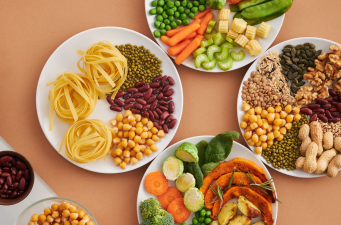
Understanding Different Types of Nutrient
- Carbohydrates
Carbohydrates serve as the primary energy source for the human body. However, not all carbohydrates are the same. It is advisable to choose "complex carbohydrates"—such as whole-wheat bread, brown rice, and oatmeal. These foods are rich in dietary fiber and are digested and absorbed relatively slowly, providing sustained energy while also helping to regulate blood sugar levels.
- Proteins
Proteins are essential nutrients for the body’s growth, repair, and the maintenance of tissue function. High-quality protein sources include chicken breast, fish and seafood, legumes, eggs, and dairy products. Since different protein sources contain varying types and proportions of amino acids, consuming a well-balanced variety can improve the body’s efficiency in utilizing these proteins.
- Fats (Lipids)
Not all fats are "bad." "Healthy fats"—such as the unsaturated fatty acids found in olive oil or fish oil—are beneficial for cardiovascular health. Conversely, one should minimize the intake of trans fats and saturated fats, which are commonly found in fried foods and processed meat products.
- Vitamins and Minerals
Vitamins and minerals play a vital role in the body’s metabolism, immune system, and nervous system. Fresh vegetables and fruits are rich in nutrients such as vitamin C, vitamin E, potassium, and magnesium.
A Note on Common Misconceptions
There is no need to eliminate carbohydrates entirely. Consuming whole grains in moderation provides essential energy and B vitamins.
Do not place too much faith in "superfoods." No single food can ensure a balanced diet; Consuming a diverse range of foods is what matters most.
"Reducing salt" does not mean "eliminating salt." A certain amount of sodium is necessary to maintain fluid balance. When managing salt intake, consider using low-sodium salt alternatives, or enhancing flavor with spices and herbs.
Maintaining consistent, long-term eating habits—while making adjustments as needed—helps meet your nutritional requirements and lowers the risk of disease. Let’s take it one step at a time and build healthy habits that are easy to sustain.
Summary
In short, enjoying nutritious, well-balanced, and delicious meals every day is not difficult at all. By acquiring nutritional knowledge, combining ingredients thoughtfully, opting for healthy cooking methods, and cultivating good eating habits, you can not only savor your food but also fuel your body with abundant vitality and wellness. Let’s start with our daily meals—taking great care of our own health and that of our loved ones—to embrace a better life, one day at a time!