


Photo Provider By Efe Burak Baydar
5 Major Health Risks of Excessive Protein Intake
Protein is an essential nutrient for sustaining life, but as the saying goes, "too much of a good thing can be bad." Research indicates that consuming more than 2 grams of protein per kilogram of body weight daily may lead to the following five health risks:
- Increased Risk of Elevated Uric Acid Levels:
Many high-protein foods—such as seafood and organ meats—are naturally rich in purines. During metabolism in the liver, these purines are converted into uric acid. Excessive intake can raise blood uric acid levels, thereby increasing the risk of gout attacks. Furthermore, one should be particularly cautious regarding fructose—found in sugary beverages and certain fruits—as it can interact with purines to further promote the production of uric acid.
- Damage to Blood Vessels:
The metabolism of animal-based proteins (such as red meat and processed meats) produces a substance called trimethylamine N-oxide (TMAO). This substance impairs the normal function of the vascular endothelium (the inner lining of blood vessels). Long-term excessive consumption may accelerate the formation of arterial plaques (atherosclerotic plaques). Additionally, certain components in processed meats can trigger oxidative stress, leading to further vascular damage.
- Negative Impact on Bone Health:
Excessive protein intake results in the production of large amounts of nitrogenous metabolic waste, which can disrupt the body’s acid-base (pH) balance. To restore this balance, the body may draw calcium from the bones for "neutralization." If this persists over the long term, it can lead to a decline in bone density. Studies using dual-energy X-ray absorptiometry (DEXA) have confirmed that individuals who consume a high-protein diet experience a more significant reduction in bone density compared to those with a balanced diet.
- Increased Burden on the Kidneys:
While the kidneys of a healthy person possess a certain "reserve capacity," chronic excessive protein intake keeps the kidneys' filtration function in a state of constant "overload," which can accelerate the aging of the glomeruli (the kidney's filtering units). If there are pre-existing kidney issues (such as chronic nephritis), this risk increases further.
- Increased oxidative stress:
During the metabolism of proteins, "AGEs" (advanced glycation end-products) are produced. These substances can damage the structure of collagen (for example, causing the skin to lose its elasticity). Furthermore, high-temperature cooking methods—such as stir-frying, deep-frying, or grilling—increase the level of "exogenous AGEs" in food. These substances may be linked to the progression of chronic conditions, including diabetes and cardiovascular disease.
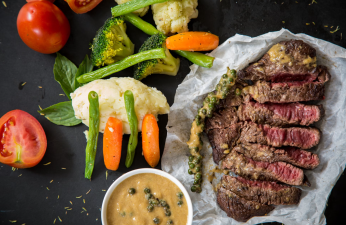
Photo Provider By Malidate Van
Important Considerations:
- Consume an appropriate amount:
For the average adult, a daily protein intake of 0.8 to 1.2 grams per kilogram of body weight is sufficient. Those who exercise regularly may increase this intake, but it should generally not exceed 1.6 grams per kilogram of body weight.
- Choose high-quality sources:
Prioritize high-quality protein sources such as fish, legumes, and quinoa, while minimizing the consumption of red meat and processed meats.
- Maintain nutritional balance:
When following a high-protein diet, be sure to consume plenty of vegetables and fruits to ensure an adequate intake of dietary fiber and vitamins, thereby preventing nutritional imbalances.
- Listen to your body:
If you experience bloating or constipation after a meal, or notice that your tongue coating has become thicker or sticky, it is a sign that your digestive system is under excessive strain. In such cases, you should reduce your protein intake.

Photo Provider By Ron Lach
Avoid excessive intake of high-protein foods
If you have conditions such as chronic kidney disease or hyperuricemia that impair protein metabolism, you should follow your doctor’s advice to limit the consumption of high-protein animal-based foods (such as red meat, processed meats, fish, and seafood). Even for healthy individuals, if daily protein intake is too high, it is advisable to reduce the proportion of these foods in the diet, opting instead for plant-based proteins (such as legumes or quinoa) or high-quality, low-fat protein sources (such as eggs or low-fat dairy products).
Summary
Too much of a good thing can be counterproductive. While the human body requires protein, one should not blindly pursue a high-protein diet. A moderate intake is beneficial, but excessive consumption can lead to negative health consequences—potentially even causing irreversible damage. Therefore, it is crucial to consume protein in a scientific and balanced manner. For healthy individuals, maintaining a well-rounded diet (with a recommended daily intake of 0.8 to 1.2 grams per kilogram of body weight) generally means there is no need for excessive concern.