

Photo Provider By Getty Images
The Origins of the Mediterranean Diet
Nutritionists have observed that populations living in countries along the Mediterranean coast—such as Italy, Spain, Greece, and Morocco—exhibit remarkably low rates of heart disease, longer average lifespans, and a lower prevalence of "modern" health conditions like diabetes and high cholesterol. Extensive investigation and analysis have revealed that this is due to the dietary patterns characteristic of the region. Numerous studies have shown that the Mediterranean diet helps reduce the risk of heart disease, stroke, and cognitive impairment (such as Alzheimer’s disease).
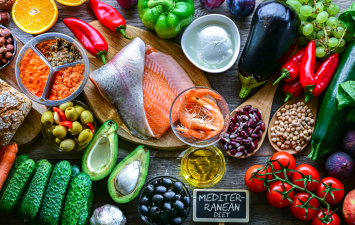
What are the key components of the Mediterranean diet?
First, it involves using olive oil as the primary cooking fat. In the Mediterranean region, olive oil is a staple; it is used not only for cooking, preparing salad dressings, or baking desserts, but also frequently for dipping bread. Olive oil is rich in monounsaturated fatty acids, which can react with nitrogen oxides found in vegetables to form "nitro-fatty acids." These compounds help regulate blood pressure by inhibiting the activity of certain enzymes in the body that are closely linked to cardiovascular disease.
Second, the diet emphasizes a high intake of vegetables. In Greece, for instance, daily vegetable consumption can reach as much as 500 grams. Vegetables commonly featured in the Mediterranean diet—such as onions, tomatoes, garlic, and bell peppers—are packed with vitamins C and E. These nutrients provide antioxidant benefits and help strengthen the immune system.
Furthermore, a hallmark of the Mediterranean diet is an increased consumption of fish and seafood, balanced by a reduction in the intake of red meat and eggs. Research suggests that individuals who consume fish one to three times a week may cut their risk of heart disease by half. Fish are rich in Omega-3 fatty acids, which help lower cholesterol and triglyceride levels. This, in turn, helps inhibit the progression of atherosclerosis and maintains the elasticity of blood vessels.

Recommended Foods
- Vegetables: Tomatoes, broccoli, kale, spinach, onions, carrots, cucumbers, etc.
- Fruits: Apples, bananas, oranges, pears, strawberries, grapes, dates, figs, melons, peaches, etc.
- Nuts and Seeds: Almonds, walnuts, macadamia nuts, hazelnuts, cashews, sunflower seeds, pumpkin seeds, etc.
- Legumes: Beans, peas, lentils, peanuts, white beans, chickpeas, etc.
- Root Vegetables: Potatoes, sweet potatoes, radishes, yams, etc.
- Whole Grains: Whole oats, brown rice, rye, barley, corn, buckwheat, whole wheat, whole-wheat bread, etc.
- Fish and Seafood: Salmon, sardines, trout, tuna, mackerel, shrimp, oysters, clams, crab, shellfish, etc.
- Poultry: Chicken, duck, turkey, etc.
- Eggs: Chicken eggs, quail eggs, duck eggs, etc.
- Dairy Products: Cheese, yogurt, Greek yogurt, etc.
- Natural Seasonings: Garlic, basil, mint, rosemary, nutmeg, cinnamon, pepper, etc
- Healthy Fats: Olive oil, vegetable oils, avocado, etc.
- Beverages: Drink plenty of water; tea, coffee, and red wine (if permitted by your doctor).
Foods to Avoid
- Refined Sugars: Soda, candy, ice cream, table sugar, and many other sugary items.
- Refined Grains: White bread, pasta made from refined wheat, etc.
- Trans Fats: Found in margarine, hydrogenated oils, and various processed foods (e.g., fried foods, cream-filled cakes).
- Certain Vegetable/Seed Oils: Soybean oil, canola oil, cottonseed oil, etc.
- Processed Meats: Processed sausages, hot dogs, etc.
- Highly Processed Foods: Snack foods, packaged breads, cakes, canned goods, etc.

Photo Provider By
Important Considerations
The Mediterranean diet encompasses a wide variety of foods and beverages; therefore, making balanced, healthy, moderate, and wise choices is essential. Enjoying a small slice of cake at a birthday party, a few thin slices of grilled meat at an outdoor gathering, or a glass or two of red wine during a get-together with friends and family—these small indulgences allow you to partake in the pleasure of good food without compromising your well-being. By keeping portions modest, you can savor the enjoyment of a meal while minimizing the burden that less-healthy foods place on your body, thereby protecting your health and enhancing your overall sense of happiness.
When following a Mediterranean-style diet, please also keep the following points in mind:
Avoid deep-frying foods when using olive oil. While nuts are beneficial for cardiovascular health, they are also high in calories, so they should be consumed in moderation. Individuals with elevated blood triglyceride levels or impaired liver function should avoid alcohol consumption.
summary
Start your journey toward healthy eating today. Choose a healthy dietary habit that you enjoy and find easy to sustain; once it becomes a habit, good health will naturally follow. The Mediterranean diet is not the only recommended approach—finding what works best for you is what matters most!